
How to measure ceramic & metal membranes
How to measure ceramic & metal membranes with the POROLUX™ Porometer
See how to test rigid membranes with confidence and precision
Ceramic and metal membranes behave very differently from polymeric materials — they’re rigid, robust, and often used in demanding filtration environments.
This video shows you exactly how to measure these materials using the POROLUX™ porometer, from preparing the sample to achieving a solid, leak‑free seal.
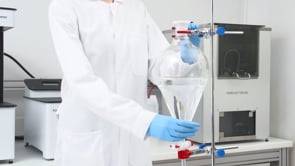
You’ll see how the workflow looks in the lab and what to pay attention to when working with membranes that don’t bend, compress, or absorb liquid the same way softer materials do.
What you can take away from this video
Learn how to prepare ceramic and metal samples for accurate pore size testing.
Understand why rigid materials require perfect surface contact for sealing.
See how to distribute wetting liquid evenly across a low‑absorption surface.
Avoid slipping, tilting, or edge leaks during mounting.
Get a clear sense of how POROLUX™ handles industrial‑grade membranes.
This video is especially useful for users working in chemical processing, wastewater treatment, high‑temperature filtration, and other industrial applications where ceramic and metal membranes are common.
Fast overview of the workflow
Step 1: Inspect your sample
A smooth back surface ensures a leak‑free seal.
Step 2: Apply wetting liquid
Rigid materials need careful, even coating.
Step 3: Mount the membrane in the holder
The video shows how to seat the sample so it doesn’t shift under pressure.
Step 4: Start the test
Choose the pressure range that fits your membrane type.
Step 5: Review pore size results
The data helps you evaluate structural integrity and filtration behavior.
Why pore size testing matters for ceramic & metal membranes
These membranes are often used in extreme conditions — high temperature, aggressive chemicals, high pressure.
Knowing their pore size characteristics helps you evaluate durability, consistency, and filtration efficiency before the membrane goes into real‑world use.
Porometry gives you a fast and non‑destructive way to compare materials, validate suppliers, or monitor production stability.
For rigid materials, having a reliable and repeatable testing method is essential — and that’s exactly what the POROLUX™ provides.
Extra resources for better results
POROLUX™ brochures
Sample preparation guide
Tips for getting the best seal on rigid materials
These resources help you understand how porometry interacts with stiff, non‑compressible membranes.