
How to measure flat sheet membranes
See how simple and stable flat sheet testing can be
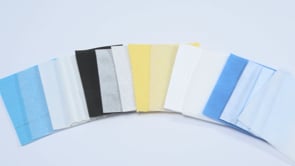
If you work with flat sheet membranes, you know how sensitive they can be. A tiny wrinkle, a drop too much wetting liquid, or a bad seal can throw off your results.
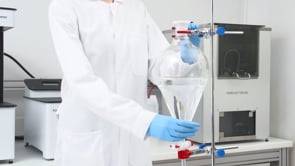
This short video shows you exactly how to handle flat sheet samples so you get clean, reliable pore size data without the usual trial‑and‑error. It’s a quick, practical look into how flat sheet testing works on a POROLUX™ — filmed directly in the lab so you can see the process as it really happens.
What you can take away from this video
See how to prep flat sheet samples so they sit perfectly flat and sealed.
Learn how much wetting liquid you actually need (and what happens if you use too much).
Discover the simple placement tricks that make a big difference for stable results.
Understand how the POROLUX™ workflow helps you avoid inconsistent runs.
Get a sense of how flat sheet testing fits into membrane development, QC, and research.
This walkthrough is especially helpful if you work with microfiltration, ultrafiltration, RO prototypes, or experimental membrane materials.
Fast overview of the workflow
Step 1: Trim and prepare the membrane
A clean, even edge helps the membrane sit flat and seal properly.
Step 2: Add just the right amount of wetting liquid
Flat sheets can over‑absorb, so a thin, controlled layer works best.
Step 3: Place the membrane into the flat‑sheet holder
The video shows how to avoid wrinkles and create an even seal.
Step 4: Start the measurement in the POROLUX™ software
Choose the method that matches your material and hit start — no complicated setup.
Step 5: Look at your results
The FBP, MPD, and distribution curve give you a quick snapshot of membrane structure and performance.
Why pore size testing matters for flat sheet membranes
Flat sheet membranes are all about performance — whether you're targeting flow, selectivity, or structural consistency. Small variations in pore size can shift performance in a big way.
POROLUX™ porometers help you catch these changes early, compare batches, or fine‑tune your development process.
And because porometry is non‑destructive, you can keep testing the same sample until you get all the data you need.